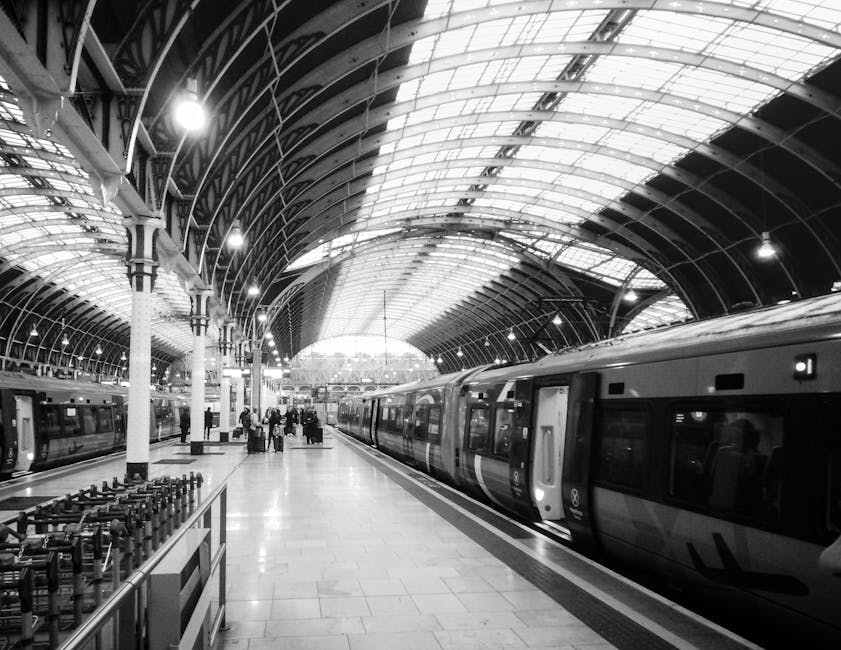
Paddington W2 Removals: Best Routes & Parking Tips
Moving in Paddington can feel straightforward on a map and then, suddenly, a bit less so on the pavement. One-way streets, loading restrictions, tight kerb space, busy station traffic, and the simple fact that van access in W2 is rarely generous can all turn a small move into a long day. That is exactly why Paddington W2 Removals: Best Routes & Parking Tips matters. If you plan the route well, think ahead about parking, and choose the right vehicle size, the whole move becomes calmer, faster, and far less stressful.
This guide walks through the practical side of moving in Paddington: the routes that usually make sense, the parking realities people often overlook, the local moving challenges that catch residents out, and the small decisions that save time on moving day. Whether you are relocating a flat near the station, shifting office equipment, or booking a van for a bulky one-off item, a little planning goes a long way. And in Paddington, it really does.
For readers comparing services, you may also want to explore the wider removal services available in the area, especially if your move needs packing help, furniture handling, or storage as part of the job.
- Why this topic matters in Paddington W2
- How route and parking planning works
- Key benefits and practical advantages
- Who this is for and when it makes sense
- Step-by-step guidance
- Expert tips for better results
- Common mistakes to avoid
- Tools, resources and recommendations
- Law, compliance, standards, or best practice
- Options, methods, or comparison table
- Case study or real-world example
- Practical checklist
- Conclusion
- Frequently asked questions
Why Paddington W2 Removals: Best Routes & Parking Tips Matters
Paddington sits in one of London's busiest and most movement-sensitive pockets. You have main roads, rail hubs, residential streets, commercial properties, hotels, and regular delivery traffic all sharing the same tight space. That mix matters. A van that arrives ten minutes late can easily lose half an hour looking for a sensible place to stop. A route that seems shorter on paper can be slower in reality if it funnels you into gridlock near the station or into awkward turns that are fine in a car but not so fine in a removal van.
For most moves, the real issue is not distance. It is access. Can the vehicle get close enough to the entrance? Can it stop without blocking traffic? Is there enough room to load safely without carrying everything from the end of the street? Those are the questions that decide whether the day feels organised or messy.
Paddington W2 removals also tend to involve a mix of property types. Some homes are on narrow residential roads; others are above shops or in mansion blocks with limited lift access. You will often need to work around timed loading bays, resident-only parking, or short stay restrictions. That is why route choice and parking planning are not side issues. They are the backbone of a smooth move.
Expert summary: In Paddington, the best removals plan is usually the one that reduces walking distance, avoids peak congestion where possible, and gives the van a legal, safe place to stop. That sounds simple. In practice, it is the difference between a tidy move and a long, frustrating one.
How Paddington W2 Removals: Best Routes & Parking Tips Works
A good removals plan in Paddington usually starts well before the van is loaded. First, you identify the pickup and drop-off addresses, then check the surrounding streets for access issues, loading restrictions, height limits, and likely bottlenecks. After that, you decide whether the move is better suited to a smaller van, a larger removal vehicle, or even a two-person team handling a compact flat move. Truth be told, the wrong vehicle can create more trouble than it solves.
The route itself should be chosen with three things in mind: clearance, traffic flow, and stopping space. In central London, a shorter route is not always a faster route. A smoother route with fewer sharp turns and fewer stops often saves more time than the fastest-looking one on the map. If the move involves a larger vehicle, avoid roads that are awkward for turning or known for temporary congestion around station approaches and hotel entrances.
Parking needs equal attention. In Paddington W2, the best outcome is usually a legal stopping position as close as possible to the property entrance. That might mean a loading bay, a permit space, a short-stay bay, or a carefully timed stop where restrictions allow it. Sometimes the best plan is to get the van close for the heaviest items first, then reposition if needed for the rest. Not glamorous, but effective.
If your move is part of a wider home relocation, it can help to look at home moves and house removals options so the job is matched to the actual scale of the move, not just the postcode.
Key Benefits and Practical Advantages
Planning routes and parking properly is not just about avoiding fines or annoying neighbours, although that matters. It has practical benefits that show up throughout the day. You carry less distance, so less time and energy are wasted. You reduce the risk of damage because items are handled fewer times. You also keep the crew focused, which tends to make everything feel more controlled. And let's face it, moving day already has enough moving parts.
Here are the most useful advantages of getting the route and parking right:
- Faster loading and unloading because the van can get closer to the entrance.
- Lower stress since there is less last-minute searching for a space.
- Reduced risk of damage from long carries, tight corners, and rushed lifting.
- Better safety for the team, pedestrians, and your belongings.
- More accurate scheduling because arrival and access are more predictable.
- Fewer neighbour complaints when parking and loading are handled considerately.
There is also a financial benefit, even if it is indirect. When a move runs efficiently, there is less wasted labour time. That can be especially helpful for apartment moves, smaller office relocations, or same-day jobs where every minute counts. If you are comparing move options, it is worth checking whether the team offers man and van support for lighter loads or commercial moves for business-related relocations.
One small but important advantage? Better planning makes the whole process feel more human. You are not scrambling, apologising, or carrying a wardrobe half a block in drizzle. You are moving with a bit of rhythm. That matters more than people think.
Who This Is For and When It Makes Sense
Paddington W2 removals route and parking planning make sense for almost anyone moving in or out of the area, but they are especially useful for people dealing with limited access or time pressure. If your property is on a busy road, above a shop, in a mansion block, or close to the station, you will probably feel the benefit immediately. If you are moving a single heavy item, the benefit is still there. A sofa does not care about your optimism; it just needs a sensible path to the van.
This topic is particularly relevant for:
- Flat residents with limited building access
- Families moving household furniture in stages
- Students and sharers with small but awkward loads
- Offices relocating near central London transport routes
- Anyone moving bulky or fragile items such as wardrobes, desks, or pianos
- People needing same-day removals with tight timing
If your move is simple, you may only need a compact vehicle and a short parking window. If it is more involved, a team with experience in flat removals or piano removals can help you think through access issues that are easy to underestimate.
The rule of thumb is straightforward: if the building, street, or item is awkward, spend more time on planning. If the move is light and the street is forgiving, keep it simple. Either way, do not guess. Guessing is expensive in moving.
Step-by-Step Guidance
Here is a practical way to plan Paddington W2 removals with routes and parking in mind. Nothing fancy, just a sensible process that works in real life.
- Start with both addresses. Look at the exact pickup and delivery points, not just the postcode. Paddington can vary a lot street by street.
- Check access on foot if possible. Is there a lift? Are there steps? Is the entrance on a narrow side street or a busy main road?
- Decide on the right vehicle size. A smaller van may be easier to park and unload. A larger vehicle may reduce trips but create access headaches.
- Plan the route for the vehicle, not just for your sat nav. Think about one-way systems, turning space, and whether the road suits a wider vehicle.
- Identify likely stopping points. Loading bays, pay-and-display spaces, and permit areas all have different rules. Know what is realistic before moving day.
- Build in a buffer. Even a well-planned move can run late if traffic builds up or parking is taken when you arrive.
- Prepare items for faster loading. Label boxes, disassemble what can be safely taken apart, and keep essentials together.
- Keep the final handover simple. The more prepared the property is, the less time the crew spends waiting around.
A practical example: if you are moving from a first-floor flat near Paddington Station to a smaller property elsewhere in W2, the best move may not be the shortest route. It may be the one that lets the van stop legally on a quieter nearby street, with a short walk to the front door. Less direct, yes. More effective, absolutely.
If you need extra help with box prep and wrapping, a service such as packing and boxes or packing and unpacking services can make the day easier, especially when time is tight.
Expert Tips for Better Results
Over time, a few habits keep showing up in smooth removals around Paddington. The first is to choose access over convenience. A van that can park properly often beats a van that looks ideal on price but spends half the morning circling. The second is to think in sequences. Load the hardest items first if the access point is good, then work through the smaller boxes. That way you get the benefit of the best parking while it lasts.
Another tip: avoid assuming the front door is the best entry point. In some W2 properties, the back entrance, service entrance, or side access is actually easier for loading, even if it is a little less obvious. This is one of those tiny details that sounds minor until you are carrying a washing machine through a hallway that was clearly never designed for modern furniture. You can almost hear the building complaining.
Other useful tips include:
- Photograph the parking area in advance if you are unsure about space or signage.
- Use a realistic time window rather than aiming for the sharpest possible slot.
- Keep a backup plan in case the first parking option is occupied.
- Protect high-value or fragile items so any unexpected delay does not create extra risk.
- Keep the building informed where relevant, especially in managed blocks or offices.
If you are moving on a tighter timeline, it can help to look at same-day removals and removal van options early. Speed is useful, but only if access and parking still make sense.
One more thing, and this is genuinely helpful: if a route looks smoother at 7 a.m. than at 2 p.m., try to book accordingly. Paddington can feel very different an hour later. The road does not care about your schedule.
Common Mistakes to Avoid
Most moving problems in Paddington are avoidable. That is the good news. The less good news is that the same mistakes keep happening because people underestimate local traffic and overestimate parking flexibility. It happens all the time.
Watch out for these common errors:
- Choosing the route too late. If the driver decides on the day, you may end up with a route that is technically short but operationally painful.
- Ignoring parking restrictions. A space that looks open may still be unsuitable for loading.
- Using a vehicle that is too large. Bigger is not always better in tight London streets.
- Leaving fragile items until the end. That is how rushed packing leads to damage.
- Forgetting building access times. Lifts, concierge desks, and service entrances may not be available all day.
- Assuming the move will "just work out". Sometimes it does. Often it does not. Better to plan.
Another mistake is failing to think about what happens after the van stops. If the lift is slow, if the entrance is around the corner, or if the property has awkward stairs, the parking spot should reflect that. A slightly longer search for a better place to stop can save a huge amount of carrying. That bit is easy to miss, but it matters.
When a move involves furnishings you do not want to take with you, consider arranging furniture removals or even furniture pick-up so unwanted items do not slow down the main move.
Tools, Resources and Recommendations
You do not need complicated tools to plan a Paddington move well, but a few basics help. A street view check, building access notes, and a realistic inventory list often make a bigger difference than people expect. If you have multiple stops, list them in order and note which items need the most careful handling. It sounds simple. It is simple. That is the point.
Useful resources and preparations include:
- Room-by-room inventory so the van is packed in a sensible order.
- Measurements of larger items to avoid surprise fitting problems.
- Building access details such as lift width, stair turns, and entrance restrictions.
- Clear labels for boxes to speed up unloading at the destination.
- Parking notes for both addresses, including where stopping is actually possible.
If you are comparing service levels, it can help to review removal companies and removals options alongside any storage needs. For example, if completion dates are uncertain, a temporary storage plan can prevent last-minute pressure. Likewise, if the move is business-related, office removals or office relocation services may be more suitable than a general home-move setup.
For bigger jobs, you may also want to think about vehicle type. A moving truck or removal truck hire can make sense for larger loads, but only if the local streets and stopping points can support it. That is the real question every time.
Law, Compliance, Standards, or Best Practice
Parking and loading in Paddington must be approached carefully because local streets are subject to normal UK road rules, council parking controls, and property-specific access rules. This article does not try to list every restriction, because those can change and they vary from street to street. The safe approach is to check the signage, confirm what is permitted at the exact location, and avoid assuming that a space is usable just because it is empty.
Good practice in removals also includes safe manual handling, considerate loading, and respect for building management rules where applicable. For example, if a block asks for advance notice before a move, or a concierge requires a booking slot for lift use, that should be treated as part of the plan, not a nuisance. Similarly, if the load includes heavy or awkward items, it is wise to use the right lifting techniques and enough people for the job.
Insurance and safety deserve attention too. A reputable mover should be able to explain how belongings are handled, how risks are reduced, and what to do if something unexpected occurs. You can review insurance and safety information alongside the company's health and safety policy if you want a clearer sense of standards before booking.
Best practice also means being honest about what can realistically be moved in one trip, what may need dismantling, and whether access conditions make a smaller vehicle the smarter choice. That kind of straightforward planning protects both your belongings and everyone involved. Quietly, it also saves money more often than not.
Options, Methods, or Comparison Table
There is no single "best" way to move in Paddington. The right method depends on the size of the job, the street layout, and how much access you have at both ends. The table below gives a simple comparison of common approaches.
| Method | Best for | Pros | Trade-offs |
|---|---|---|---|
| Small van move | Studios, small flats, single items | Easier parking, better for narrow streets, usually quicker to position | May need more trips if there is a lot to move |
| Standard removals van | Typical one- to two-bedroom moves | Good balance of capacity and access | Can be harder to place on busy roads |
| Larger truck | Big household or office moves | More capacity, fewer loading cycles | May be awkward in tight Paddington streets |
| Same-day man and van | Urgent small-to-medium moves | Flexible, often responsive, useful for quick timing | Needs a clear plan so the speed benefit is not lost |
| Move with storage | Delayed completions or staggered handovers | Reduces pressure and protects timing | Adds an extra stage to the move |
For many Paddington jobs, the middle option is the sweet spot. A vehicle that is large enough to be efficient but small enough to handle local access issues is often the most practical answer. Not the flashiest, perhaps. But the one that actually gets the job done.
Case Study or Real-World Example
Here is a realistic example from a Paddington-style move. A couple were relocating from a top-floor flat near a busy junction in W2 to a nearby apartment with better lift access. On paper, the journey was short. They initially assumed the van could stop right outside both buildings. In practice, the first property had limited stopping space and the second had a narrow entrance lane that was regularly occupied during the day.
Rather than sending in a large vehicle and hoping for the best, the move was planned with a smaller van and a timed arrival during a quieter window. The team checked where the van could legally stop, agreed the route in advance, and loaded the heaviest items first while parking was secured. A few pieces needed a slightly longer carry, but because that was expected, nobody was rushed. The move finished on time, with no scrambling for a last-minute space and no awkward double handling.
The useful lesson is simple: a short-distance move in Paddington is not automatically an easy move. The street environment decides that. If you account for the local realities early, the day tends to feel much smoother. Funny how that works.
In cases like this, a service such as house removalists can be a better fit than a bare-bones transport-only booking, because the access planning and handling support are just as important as the vehicle itself.
Practical Checklist
Use this checklist before moving day. It is simple, but it catches the things people most often forget.
- Confirm both addresses, including floor level and entry point
- Check likely parking or loading options for both locations
- Note any time restrictions, permits, or building rules
- Measure large furniture and awkward items
- Decide whether a small van, standard van, or larger vehicle is most suitable
- Pack fragile items separately and label them clearly
- Keep essential documents, keys, chargers, and valuables with you
- Allow extra time for traffic or parking delays
- Tell the building manager or concierge if advance notice is needed
- Have a backup plan for parking if the first option is taken
- Confirm whether storage is needed for any part of the move
- Make sure the moving team knows about stairs, lifts, or access codes
If you are moving alongside a larger life change, such as a new job or a change in tenancy, keep things light where you can. Fewer loose ends means a cleaner move. And yes, that is easier said than done. Still worth doing.
If you want to compare service levels, pricing structures, or availability before you commit, take a look at pricing and quotes so you can weigh up the options with a bit more confidence.
Conclusion
Paddington W2 removals become much easier when you treat route planning and parking as part of the move, not an afterthought. In a busy part of London, access shapes the whole day. The right van, the right stopping point, and a route that suits the local roads can save time, reduce stress, and protect your belongings from avoidable handling.
The main takeaway is reassuringly simple: plan for the street, not just the postcode. Check the access, think about parking before the van arrives, and choose the move style that fits the reality of Paddington rather than an ideal version of it. Do that, and the process usually feels a lot more manageable.
Get a free quote today and see how much you can save.
And if you are still weighing things up, take a breath. A well-planned move in Paddington is entirely doable, and once the first box is on the van, things start to feel better very quickly.
Frequently Asked Questions
What is the best route for removals in Paddington W2?
The best route depends on the vehicle size, the time of day, and the exact pickup and drop-off streets. In general, the smoothest route is usually the one with fewer tight turns, less congestion, and better access for stopping safely.
How do I find parking for a removal van in Paddington?
Start by checking the exact street outside both properties, then look for legal loading or parking options nearby. In Paddington, it is wise to assume parking may be limited and plan a backup space as well.
Should I use a small van or a larger removal truck?
For many Paddington moves, a smaller or mid-size van is easier to park and unload. Larger trucks make sense for bigger jobs, but only if the streets and stopping points can support them. Access matters more than capacity on its own.
Do I need a parking permit for removals in W2?
That depends on the street and the type of parking or loading you are using. Some locations allow short loading periods; others are more restricted. Always check the signage and confirm what is allowed at the exact location.
How far in advance should I plan my move in Paddington?
As early as possible, especially if parking is likely to be tight or if the property has specific access rules. Even a small move benefits from a bit of lead time, because last-minute planning is where problems usually start.
What should I tell the removal team before moving day?
Share both addresses, floor levels, lift access, parking restrictions, item sizes, and any time limitations. The more the team knows upfront, the easier it is to choose the right route and vehicle.
Can I move in Paddington during busy traffic times?
Yes, but it may be slower and parking can be more difficult. If you have flexibility, slightly quieter times of day often make the whole move smoother. Small time shifts can make a surprising difference.
What if there is no parking directly outside the property?
That is common in central London. The next best option is usually the nearest legal stopping point with a manageable carry distance. It is better to plan that in advance than to discover it on the day.
How can I reduce the chance of damage during a Paddington move?
Use proper packing, label fragile boxes, dismantle large furniture where safe to do so, and minimise the distance items must be carried. Efficient parking also helps because it reduces handling time and the chance of rushed movement.
Is it worth using packing help for a local move?
Often, yes, especially if you are short on time or have fragile, awkward, or valuable items. Packing services can save a lot of stress and make loading more organised, which is handy in a busy area like Paddington.
What if I need to store items temporarily during the move?
Temporary storage can be a very practical option if your dates do not line up neatly. It is particularly useful when completion, keys, or access times are uncertain. A staged move is still a successful move.
How do I know if a mover is suitable for Paddington W2?
Look for clear communication about access, parking, vehicle choice, and handling. A mover who asks detailed questions about the property is usually taking the job seriously, which is exactly what you want in a busy London area.