Paddington Basin student moves: Flats, lifts and access
Posted on 29/04/2026
Moving into student accommodation around Paddington Basin can feel simple on paper, and then suddenly the lift is tiny, the corridor is narrow, and your desk won't fit round the corner. If you're planning a move in this part of London, the real challenge is rarely the distance. It's the flats, lifts and access.
That means everything from booking the right time slot to checking whether the building has a working lift, a loading bay, concierge rules, or awkward stair access. Get those details right and the day feels calm, almost boring in a good way. Get them wrong and, well, you may end up carrying a mattress up three floors while a neighbour politely pretends not to watch. This guide explains how Paddington Basin student moves work in practice, what to check in advance, and how to avoid the common headaches.
If you need help beyond the planning stage, it can also be useful to look at student removals in Paddington, flat removals in Paddington, or a flexible man with a van service depending on the size of your move.
Why Paddington Basin student moves: Flats, lifts and access Matters
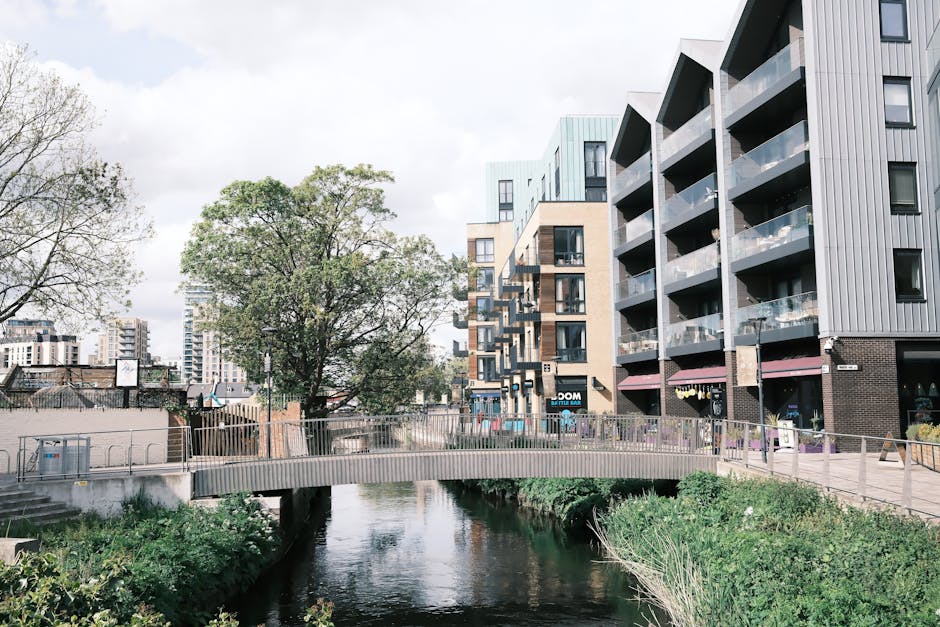
Paddington Basin is a busy, modern part of London with a lot of apartment-style living, student rentals, and mixed-use buildings. That sounds convenient, and often it is. But the building layout can make moving day more complicated than a standard house move. You may be dealing with underground parking restrictions, concierge desks, lift bookings, intercom access, service entrances, and tight windows for loading.
For students, this matters even more because the move is usually on a deadline. You might be arriving between terms, fitting the move around exams or a job, and trying to do it with a limited budget. A small delay can throw the whole day off. A lift that is out of service. A front desk that needs advance notice. A van that cannot stop where you expected. These are the little things that bite.
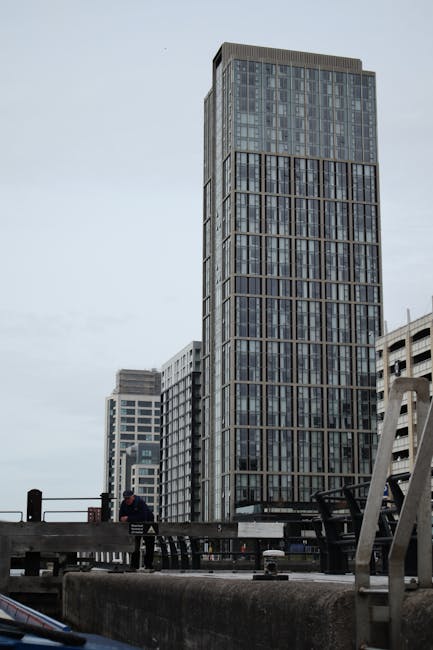
To be fair, Paddington Basin is not unique in this respect, but it has enough high-rise and managed accommodation to make access planning essential. If your belongings are going into a fourth-floor flat with one shared lift, the process is very different from a ground-floor student studio. That is why reliable planning, clear communication, and the right moving support matter so much.
Expert summary: the move becomes much easier when you treat access as part of the job, not an afterthought. In other words, the flat is only half the story; the building rules, lift size, loading point, and timing are the other half.
How Paddington Basin student moves: Flats, lifts and access Works
A smooth student move in Paddington Basin usually starts before anyone carries a box. First, confirm exactly where you are moving from and to. Then check how each building handles arrivals. Some blocks allow short-term parking or loading nearby, while others require a pre-booked slot and a call to reception on arrival. Sounds a bit fussy, but it saves a lot of pain later.
For flats and apartment blocks, the following access points tend to matter most:
- Lift access: whether the lift is working, how large it is, and whether there are time restrictions
- Stair access: if the lift is too small or unavailable, how many flights you'll need to carry items up
- Loading access: where the van can stop, and how close it can get to the entrance
- Building permissions: concierge rules, booking forms, or move-in slots
- Furniture dimensions: whether beds, wardrobes, desks or sofas will fit through doors and lifts
In many student moves, the van itself is only part of the process. The real job is getting items from room to van, and then van to flat, without damage or wasted time. That is why many people choose a service like removal services in Paddington or a more tailored man and van in Paddington setup, especially where there are lifts, tight hallways, or a fair amount of carrying involved.
There is also a timing element. Morning moves can be easier if the building is quiet. Mid-afternoon can be better if you need time for key collection. Evening moves sometimes work, but you need to be certain the building permits them. One awkward reminder here: don't assume anything. Ask. Then ask again if the answer was vague.
Key Benefits and Practical Advantages
When you plan a Paddington Basin student move properly, the benefits are not just convenience. They show up in time saved, stress reduced, and fewer breakages. That matters when your laptop, monitor, kitchen gear and boxes of books are basically your entire life for the next academic term.
Here are the practical advantages most students notice:
- Faster move-in: you spend less time waiting around for access or searching for the entrance
- Less physical strain: fewer unnecessary stair carries and fewer awkward lifts for bulky items
- Lower damage risk: items are moved through the safest route, not the quickest guess
- Better coordination: everyone knows the move-in slot, contact point and sequence
- More predictable costs: a well-planned move is easier to quote accurately
There's also a confidence factor. Moving into a modern flat block can feel slightly intimidating at first. The loading bays, fob systems and silent corridors can make you feel like you're trespassing on a very organised spaceship. But once you know the process, it becomes manageable. Even routine.
For students moving with a limited number of boxes, a smaller vehicle and careful route planning often makes sense. If you're comparing options, you may want to review man with van rates alongside the full list of services we provide so you can match the level of help to the size of your move.
Practical takeaway: the best move is not always the biggest service. It is the one that fits the building, the lift, and your actual volume of belongings.
Who This Is For and When It Makes Sense
This kind of move is especially relevant if you are:
- a student moving into a studio or shared flat in Paddington Basin
- leaving university housing and moving into private rented accommodation
- changing flats within the same building or nearby block
- moving from a higher-floor apartment with lift restrictions
- bringing bulky items such as a desk, bed base, chair, or shelving
It also makes sense for parents helping with a move, landlords arranging changeovers, and students arriving from outside London who do not know the area well. If you are new to Paddington, the street layout, canal-side entrances and managed buildings can be a bit deceptive. What looks like a quick walk from the main road may not be quick at all once you factor in lift access or a side entrance tucked behind the block.
Sometimes the move is simple enough to do with a few bags and a small van. Sometimes it is not. Truth be told, the deciding factor is often not the size of the flat, but the access to it. One basement studio with a lift and clear parking can be easier than a second-floor flat with a long stairwell. That's the sort of detail people miss until moving day.
If you are weighing up whether to use professional support, a dedicated student removals service is usually worth considering whenever the move includes furniture, stairs, or timed building access.
Step-by-Step Guidance
1. Confirm your exact move details
Write down both postcodes, the floor number, whether there is a lift, and any known access restrictions. Keep it simple and factual. It sounds basic, but this step prevents so many problems.
2. Check building rules early
Ask the landlord, letting agent, concierge or building manager about move-in windows, lift bookings, parking permissions and any need to protect communal areas. Some buildings want advance notice. Others are happy as long as you are not blocking the entrance. Find out before the week of the move.
3. Measure the awkward items
Measure beds, mattresses, desks, wardrobes and mirrors. Measure the lift too if possible. A tape measure is boring, but it is worth its weight in gold. If something has to be dismantled, make that decision early rather than discovering the problem at the landing.
4. Sort packing by priority
Pack essentials separately: bedding, chargers, documents, medication, laptop, kettle, and one set of plates and cutlery. Keep those with you. The rest can be stacked according to how urgently you need it. If you want practical packing support, take a look at packing and boxes in Paddington.
5. Plan the loading sequence
Put the most awkward or fragile items somewhere easy to reach in the van. No one wants to unearth a monitor from beneath five boxes of books just because it was packed last. A clean loading order also helps if the building access window is short.
6. Protect floors and walls
Use blankets, wraps or floor protection where needed, especially in communal hallways and tight stairwells. In managed buildings, a small scrape on the wall can become an awkward conversation very quickly.
7. Keep communication open on the day
Have the key contact details ready: landlord, concierge, mover, and a backup number. If access changes or a lift fails, you can adapt without panic. And yes, things do change. Often at exactly the worst moment, annoyingly.
8. Finish with a quick check
Before leaving, check cupboards, sockets, shelves and bathroom cabinets. Students especially tend to leave small but important things behind: USB cables, passports, a bag of toiletries, or the only mug they actually like.
Expert Tips for Better Results
A few small choices can make a big difference on a Paddington Basin move. Here are the ones that tend to matter most in real life:
- Book earlier than you think you need to: building slots and lift access can be tight, especially near term dates
- Tell the mover about access quirks: if there are stairs after the lift, long corridors, or a narrow service entrance, say so upfront
- Use lighter boxes for books: students love books, but heavy boxes become back-breaking very quickly
- Keep valuables separate: passports, jewellery, laptops and bank cards should not be buried under bedding
- Photograph the property before and after: useful for both move-in records and peace of mind
One thing I'd strongly suggest is making a tiny access note for yourself. Just a few lines: which entrance to use, where to park, who to call, and which floor you're on. Keep it on your phone. When you're standing outside a block with a trolley and a box digging into your hand, that note suddenly feels very clever.
If you are comparing the wider support available, a quick look at removal van options in Paddington and furniture removals in Paddington can help you decide whether you need a compact move or something more hands-on.
Another small but useful point: keep one bag for day-one basics. Kettle, toilet roll, phone charger, a change of clothes, snacks. It sounds obvious. Everyone forgets it once, though.
Common Mistakes to Avoid
Most student moving problems in Paddington Basin are preventable. The trouble is, people tend to make the same assumptions. Here are the big ones:
- Assuming the lift will be available: lifts can be booked, broken, or simply too small for large furniture
- Not checking parking or stopping rules: a van may not be able to wait where you expected
- Underestimating box weight: books, cookware and shoes are surprisingly heavy
- Ignoring the move-in time slot: some buildings are strict about arrivals and departures
- Forgetting about access after unloading: if the key pickup is delayed, your whole schedule can slide
- Overpacking cheap boxes: they split at the seams at the worst possible time
There is also a subtle mistake that catches people out: not asking about the route from van to flat. It may sound trivial, but a path that includes steps, locked gates, or two separate lifts can change the whole plan.
And if you are coordinating with friends, do not assume everyone knows what to do. A move gets messy when three people all think someone else brought the tape.
Tools, Resources and Recommendations
You do not need a full toolkit, but a few practical items help enormously:
- strong boxes in mixed sizes
- packing tape and a tape dispenser
- labels or marker pens
- bubble wrap or paper for fragile items
- blankets or covers for furniture
- a trolley or sack truck if the building allows it
- basic measuring tape
For planning support, it can help to compare service levels through services overview, then confirm practical details via contact options before you book. If you need a clearer idea of move size and cost, pricing and quotes is a sensible next stop.
For students with limited storage at the end of term, temporary storage in Paddington can also be a smart bridge between tenancies. That is especially useful if move-out and move-in dates do not line up perfectly. They rarely do, do they?
Useful recommendation: if your building has strict access windows, choose a service that is comfortable with timed arrivals and quick unloading. Speed matters, but only when it is controlled and careful.
Law, Compliance, Standards, or Best Practice
Most student moves are straightforward, but there are still practical standards and responsibilities to keep in mind. In the UK, moving work should be handled with reasonable care, especially around lifting, carrying, parking, building access and damage prevention. For anything involving stairs, awkward furniture, or shared spaces, safe handling is not optional.
From a building perspective, many apartments and student blocks have their own procedures. That may include booking a lift, using protective coverings, or notifying security before arrival. These are not just admin hurdles; they help avoid disruption for other residents.
On the service side, it is sensible to check that the moving company has clear policies around safety, insurance and complaint handling. You can review pages such as insurance and safety, health and safety policy, terms and conditions, and complaints procedure if you want to understand how things are handled before you commit.
There is also a wider trust angle. Ethical and responsible business practices matter, which is why some people like to check supporting pages such as recycling and sustainability and accessibility statement. That does not make the move faster, obviously, but it can make the service feel more transparent and reassuring.
Options, Methods, or Comparison Table
Different move setups suit different students. The best choice usually depends on how much you own, what floor you live on, and how complicated the access is.
| Move option | Best for | Strengths | Limitations |
|---|---|---|---|
| DIY with friends | Very small moves and ground-floor access | Low cost, flexible, simple if parking is easy | Hard work, higher breakage risk, awkward with lifts and stairs |
| Man and van | Small to medium student flats with moderate access needs | Flexible, practical for short urban moves, useful for quick turnaround | May need careful planning for lift booking and loading access |
| Full removal service | Larger flats, more furniture, or tricky building access | More support, better for awkward items and complex access | Usually more expensive than a basic van hire approach |
For many Paddington Basin student moves, the middle option is the sweet spot. It gives you help without overpaying for services you do not need. If the move includes a sofa, a bed frame or multiple floors, though, the more supported option can save time and a lot of stress. Sometimes the cheaper route ends up being the expensive one. That's the annoying truth.
Case Study or Real-World Example
Imagine a student moving into a one-bedroom flat near Paddington Basin at the start of term. They have a desk, a chair, a mattress, two suitcases, and around a dozen boxes. Nothing huge, but enough to need more than a taxi. The building has a lift, yet the concierge needs 24 hours' notice for any move-in.
On the first try, they nearly book the van for a midday slot without checking the building rules. That would have been a problem because the concierge only allows move-ins in a narrow morning window. They also discover the lift is shared with residents and has a size limit, so the sofa bed will not fit upright.
So they change the plan. The sofa bed is dismantled before the move. Boxes are split into lighter loads. The van arrives just after the concierge window opens, and the driver is given the side entrance details in advance. The move is completed without rushing, and the whole flat is liveable by late afternoon. Not glamorous, but efficient. Exactly what was needed.
The lesson is simple: once access is planned properly, a "difficult" move usually becomes a normal one.
Practical Checklist
Use this before your move day. It saves a surprising amount of hassle.
- Confirmed full address, floor number and flat number
- Checked whether the building has a lift and whether it can be booked
- Asked about parking, loading bays and permitted stopping points
- Notified concierge, landlord or agent if required
- Measured large furniture and awkward items
- Separated essentials bag from packed boxes
- Labelled fragile boxes clearly
- Checked whether anything needs dismantling
- Confirmed arrival time and contact number for the mover
- Reviewed safety, insurance and terms before booking
One extra thing: keep a charger, a bottle of water, and a snack in your pocket or backpack. When you are on hour three of a move, small comforts suddenly feel grand.
Conclusion
Paddington Basin student moves are much easier when you treat flats, lifts and access as the heart of the plan. That means checking the building rules, measuring the awkward stuff, booking a realistic time slot, and choosing the right level of support for the job. Do that, and the move stops feeling like a scramble.
Whether you are heading into a compact studio or a higher-floor apartment, the principle is the same: know the access, plan the route, and keep the essentials close. The rest becomes manageable. And in a city like London, manageable is a pretty good result.
If you want help planning your move or comparing service options, start with the right local support and make the day easier on yourself.
Get a free quote today and see how much you can save.
Sometimes a calm move is the best kind. Nothing fancy. Just the right people, the right plan, and a flat that feels like home by evening.